Warning Signs of Shower Damage Behind Tiles: Stains, Bubbling & Odor
That musty smell in your bathroom could be costing you thousands. Most homeowners miss three critical warning signs of hidden water damage behind shower tiles—and waiting just 24-48 hours can trigger a cascade of problems that turn a simple fix into a complete renovation nightmare.
Key Takeaways
- Three critical warning signs reveal hidden water damage behind shower tiles: yellowish-brown stains with ring patterns, bubbling paint or wallpaper, and persistent musty odors without visible mold
- Mold can start growing within 24-48 hours after water damage occurs, making immediate detection and response vital for preventing health risks and structural damage
- Professional thermal imaging and moisture meters can detect hidden moisture problems that cost homeowners $3,000 to $8,000 for standard projects, with severe cases involving structural damage potentially reaching $15,000 to $30,000
- Early detection prevents extensive structural damage to wood framing, subflooring, and drywall that requires costly reconstruction
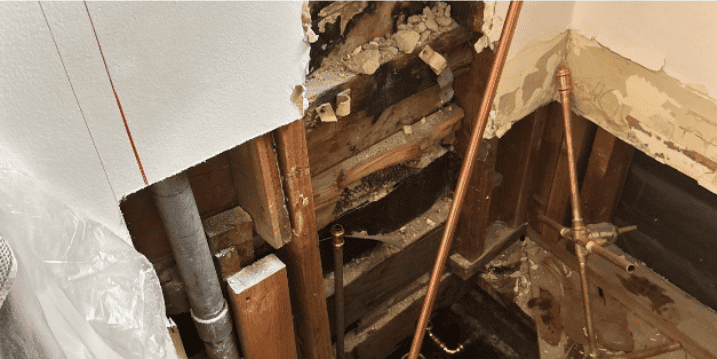
Hidden water damage behind shower tiles often lurks silently for weeks or months before homeowners notice obvious signs. What appears to be a small cosmetic issue on the surface frequently masks extensive moisture problems that threaten both structural integrity and family health. Understanding these warning signs empowers homeowners to catch problems early, before minor repairs become major renovations.
Three Critical Warning Signs Revealing Hidden Water Damage
The most reliable indicators of hidden moisture problems behind shower tiles manifest in three distinct ways. These signs often appear gradually, making them easy to dismiss as normal wear and tear. However, each represents active water intrusion that demands immediate attention to prevent escalation.
Water stains, paint deterioration, and unexplained odors form a trio of warning signals that consistently point to moisture accumulation behind bathroom surfaces. Expert water damage specialists emphasize that recognizing these early indicators can mean the difference between a simple repair and complete bathroom reconstruction.
Professional restoration companies report that homeowners who respond to these initial warning signs typically spend significantly less on repairs compared to those who wait until visible mold or structural damage appears. The key lies in understanding what each sign reveals about the underlying moisture problem.
Yellowish-Brown Stains and Water Rings
Water stains on walls adjacent to showers represent one of the most common and recognizable signs of hidden damage. These discolorations form when water dissolves minerals, tannins, and adhesive compounds in drywall paper, depositing them on painted surfaces as moisture evaporates.
Single Stains vs. Concentric Ring Patterns
Single uniform stains typically indicate a one-time water event, such as a brief supply line failure or temporary overflow. These stains may appear after a specific incident and remain stable in size and color over time. While concerning, they often represent contained damage that requires targeted repair.
Concentric ring patterns tell a different story entirely. Multiple rings indicate repeated wetting and drying cycles from an ongoing leak. Each ring represents a separate moisture event, with the outermost ring showing the maximum extent of water migration. These patterns signal active, chronic water intrusion that continues to worsen without intervention.
The distinction between single events and recurring patterns helps determine urgency levels. Ring patterns demand immediate investigation because they indicate an unresolved source of moisture that will continue causing damage until the root cause is addressed.
Common Locations to Check First
Certain areas around showers experience higher rates of water staining due to plumbing concentrations and structural vulnerabilities. The wall directly behind shower fixtures contains the highest density of supply lines and mixing valves, making it the most likely location for stain development.
Adjacent walls that share plumbing chases with the shower area also show frequent staining. These walls may appear completely separate from the shower but actually contain branch lines or drain assemblies that can leak behind the surface. Stains near electrical outlets or light switches require particular caution, as water and electrical systems create serious safety hazards.
Ceiling areas directly above showers and in rooms above bathroom locations frequently develop stains from failed shower pan liners or drain assemblies. These overhead stains often indicate the most serious type of hidden damage, as water has migrated through multiple building layers before becoming visible.
How Mineral Deposits Form on Surfaces
White salt-like deposits appear on masonry surfaces when water migrates through concrete block, brick, or stucco walls. The process begins when water dissolves naturally occurring salts within the wall material. As moisture evaporates at the surface, it leaves behind concentrated mineral deposits.
These white deposits prove that water actively moves through the wall assembly, even when the surface appears dry. The formation requires both moisture presence and mineral content, making it a reliable indicator of ongoing water migration. The deposits may appear powdery or crystalline, depending on the specific minerals present in the wall material.
Repeated formation indicates chronic moisture problems rather than isolated incidents. Each cycle of wetting and drying concentrates more minerals at the surface, creating increasingly visible deposits that signal persistent water intrusion behind the tiles.
Bubbling and Peeling Paint or Wallpaper
Paint failure near shower areas occurs when moisture becomes trapped between the wall surface and the paint film. This moisture breaks the adhesive bond that holds paint to drywall, causing characteristic bubbling, blistering, and peeling patterns that differ markedly from normal aging.
Why Moisture Breaks Paint Adhesion
Paint adheres to surfaces through both mechanical bonding and chemical adhesion. Moisture disrupts both types of bonds by saturating the surface material and creating pressure between layers as water vapor expands. The gypsum core of drywall readily absorbs water, causing the paper facing to swell and separate from the paint film.
Temperature fluctuations common in bathroom environments accelerate this process. Warm, humid air from showers increases moisture vapor pressure, forcing water molecules into tiny gaps between paint and substrate. As temperatures cool, this moisture condenses and accumulates, creating the hydrostatic pressure that pushes paint away from the wall.
Chemical breakdown also occurs when moisture reacts with paint binders and adhesion promoters. Paint shows vulnerability to moisture intrusion, developing characteristic bubble patterns that start small and expand over time as more moisture accumulates behind the paint film.
Distinguishing Water Damage from Normal Aging
Normal paint aging typically shows uniform degradation across large areas, with cracking, chalking, and fading occurring gradually over years. Water-damaged paint fails in localized zones that correspond to moisture sources behind the wall. These failures often appear as isolated bubbles or blisters that weren’t present during previous inspections.
Water damage bubbling tends to worsen rapidly over days or weeks, while age-related paint failure develops slowly over seasons or years. Fresh bubbles may feel soft or spongy when pressed gently, indicating active moisture presence behind the surface.
The location of paint failure provides additional clues about water versus age-related damage. Paint bubbling that appears near plumbing fixtures, below windows, or along wall-to-ceiling joints suggests moisture intrusion rather than normal deterioration. Age-related failure rarely shows such specific localization patterns.
Persistent Musty Odors Without Visible Mold
Unexplained musty or earthy odors in bathroom areas often serve as the earliest warning sign of hidden water damage. These smells typically appear before visible stains or surface damage become apparent, making odor detection a critical early intervention opportunity.
Microbial Volatile Organic Compounds (MVOCs)
The characteristic musty smell associated with water damage comes from microbial volatile organic compounds released by mold and bacteria as they metabolize damp building materials. These compounds create distinctive earthy, basement-like odors that persist even when surfaces appear completely dry.
Different microorganisms produce different MVOC signatures. Various mold species commonly found in water-damaged drywall create distinct odor profiles that many describe as musty, basement-like, or rotting.
MVOC detection requires active microbial growth, meaning persistent odors indicate ongoing biological activity behind wall surfaces. The strength and persistence of these odors correlate with the extent of moisture damage and microbial colonization in hidden areas.
Why Smell Often Appears Before Visual Signs
Mold and bacteria begin producing MVOCs within 24-48 hours of finding suitable moisture and food sources. Drywall paper provides nutrition for these microorganisms, allowing rapid colonization in wet conditions. The volatile compounds easily travel through small gaps in wall assemblies, making them detectable in living spaces before surface damage becomes visible.
Human sensitivity to these compounds varies significantly, with some individuals detecting very low concentrations while others remain unaware until contamination becomes severe. Many people notice musty odors most strongly when returning home after being away, as constant exposure reduces olfactory sensitivity.
The progression from odor detection to visible damage typically takes weeks or months, depending on moisture levels and environmental conditions. This lag period represents a critical intervention window where moisture sources can be identified and eliminated before extensive surface damage occurs.
Advanced Detection Methods for Hidden Moisture
Professional moisture detection goes beyond surface observation to identify water intrusion patterns invisible to conventional inspection methods. These advanced techniques provide precise moisture mapping that guides targeted repairs while minimizing unnecessary demolition.
Thermal Imaging Camera Benefits
Thermal imaging cameras detect temperature differences that indicate moisture presence behind building surfaces. Wet materials retain heat differently than dry materials, creating thermal signatures visible through infrared imaging. These cameras reveal moisture patterns across entire wall surfaces without requiring invasive testing.
Professional thermal imaging inspections cost between $200 and $500 but can identify moisture problems in large areas without requiring invasive testing. The technology proves particularly valuable for mapping the full extent of damage behind tiles, where visual inspection only reveals surface symptoms.
Thermal imaging works most effectively when temperature differences exist between wet and dry areas. Early morning inspections often provide optimal conditions, as overnight cooling creates maximum thermal contrast between moisture-affected and normal building materials.
Moisture Meter Testing Behind Walls
Pin-type moisture meters penetrate surface materials to measure water content in underlying substrates. These devices provide quantitative readings that confirm suspected moisture problems and track drying progress during remediation efforts. Professional-grade meters offer greater accuracy and penetration depth than consumer models.
Non-invasive moisture meters use electromagnetic fields to detect moisture through surface materials without creating holes. While less precise than pin-type meters, they enable rapid scanning of large areas to identify zones requiring detailed investigation.
Moisture meter readings above manufacturer-specified thresholds indicate active water intrusion requiring immediate attention. Baseline readings from known dry areas help establish normal conditions for comparison during problem area testing.
Soft Drywall and Spongy Floor Detection
Physical testing remains one of the most reliable methods for confirming suspected moisture damage. Soft or spongy drywall indicates that the gypsum core has absorbed water and lost structural integrity. Light pressure applied near baseboards and around fixtures reveals areas where moisture has compromised material strength.
Spongy flooring suggests subfloor moisture damage that extends beyond surface materials. These areas may indicate failed shower pan liners or drain assembly leaks that have saturated structural components below the visible floor surface.
Safety considerations apply when testing areas near electrical components. Moisture and electricity create serious hazard risks, so suspected electrical involvement requires professional evaluation before physical testing proceeds.
24-48 Hour Mold Growth Window
Federal health agencies consistently emphasize the critical importance of rapid response to water damage incidents. The narrow window between initial water intrusion and mold colonization represents the most cost-effective intervention period for preventing extensive contamination.
Federal Guidelines on Immediate Drying
The Environmental Protection Agency, Centers for Disease Control, and Federal Emergency Management Agency all specify 24 to 48 hours as the maximum acceptable delay for beginning water damage drying procedures. This timeframe reflects extensive research into mold growth patterns and optimal intervention strategies.
These federal guidelines apply to all water damage situations, regardless of scope or apparent severity. Even minor moisture intrusion events can trigger rapid microbial growth if environmental conditions support colonization. Temperature and humidity levels typical in bathroom environments create ideal conditions for accelerated mold development.
Professional restoration companies follow these federal protocols by deploying commercial drying equipment within hours of notification. The aggressive drying approach aims to reduce material moisture content below levels that support microbial growth before colonization becomes established.
Health Risks from Delayed Response
Delayed response to water damage allows mold colonies to establish and begin producing allergens, irritants, and potentially toxic compounds. Exposure to these biological contaminants can trigger respiratory symptoms, allergic reactions, and other health effects, particularly in sensitive individuals.
Children, elderly individuals, and people with existing respiratory conditions face elevated risks from mold exposure. These populations may experience symptoms at lower exposure levels and require longer recovery periods following remediation efforts.
Indoor air quality degradation often accompanies hidden mold growth, affecting all building occupants regardless of individual sensitivity levels. Early intervention prevents widespread contamination that requires extensive remediation and temporary relocation during cleanup activities.
Early Detection Prevents Costly Damage
Professional restoration industry data shows water damage restoration costs ranging from $3,000 to $8,000 for standard projects, with severe cases involving extensive structural damage potentially reaching $15,000 to $30,000. Early detection and intervention can reduce these costs substantially through targeted repairs that address moisture sources before widespread contamination occurs.
The financial impact extends beyond immediate repair costs to include temporary housing, content restoration, and lost property value. Hidden damage often affects multiple building systems, requiring coordination between plumbers, restoration specialists, and reconstruction contractors.
Insurance coverage varies significantly based on the cause and duration of water damage. Sudden, accidental events typically receive full coverage, while long-term seepage from maintenance issues may face coverage limitations. Early detection helps preserve insurance benefits by documenting the timeline and scope of damage development.
Preventive measures such as regular moisture monitoring and prompt attention to early warning signs provide substantial return on investment compared to major reconstruction projects. A $200 thermal imaging inspection can identify problems that would otherwise cost thousands to address after extensive damage occurs.
FunnelTide Marketing is a collaborative team of content specialists, developers, and advertising professionals dedicated to sustainable growth through organic traffic strategies. Their proprietary Create, Repurpose, and Distribute model helps businesses achieve greater visibility by creating optimized content, transforming it into multiple formats, and distributing it across over three hundred high-authority sites. FunnelTide becomes an extension of your team, connecting you with audiences actively searching for your solutions. Learn more at funneltide.clientcabin.com/app/proposal.